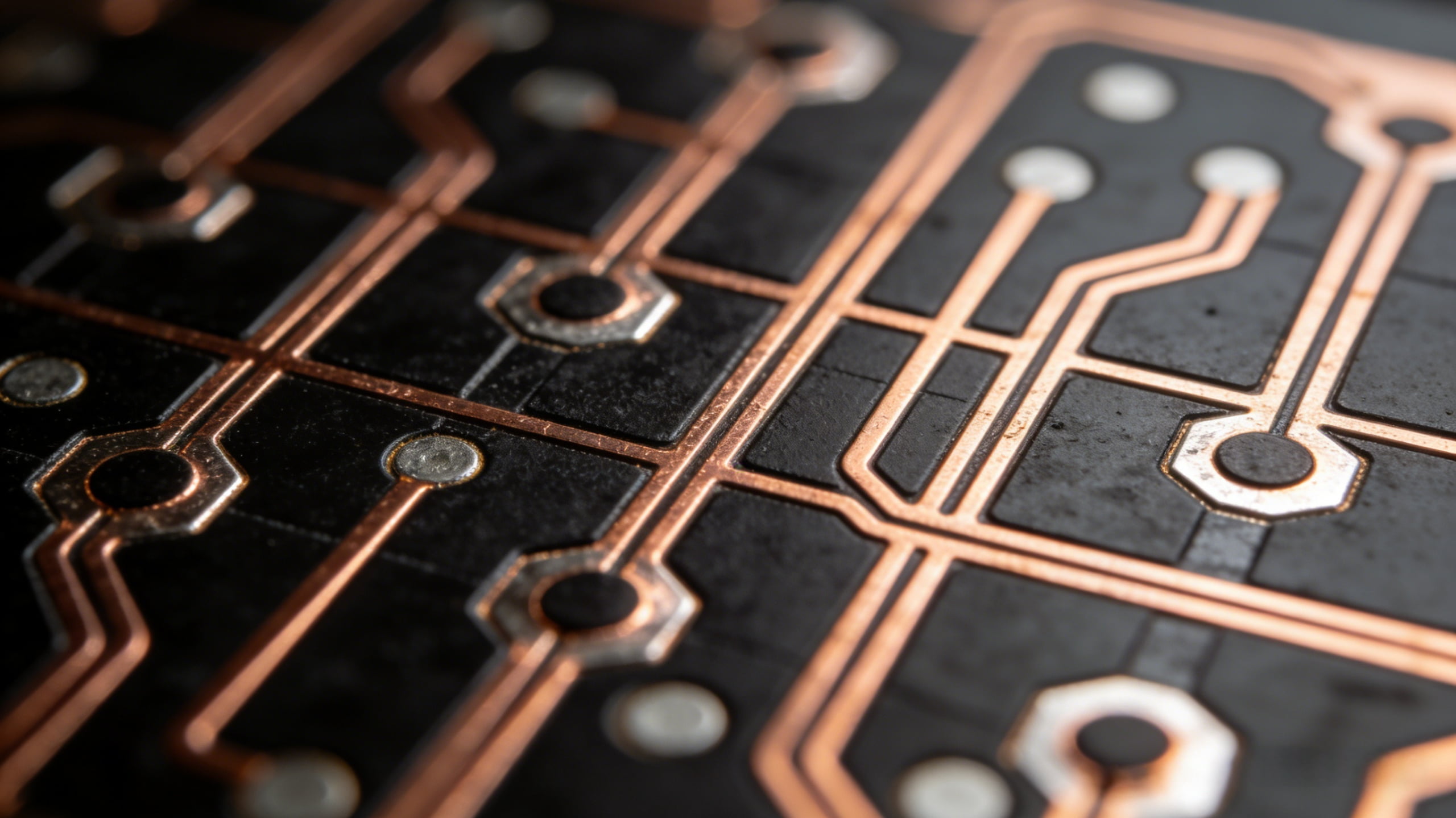
PCB Mold Maintenance 101: Extend Lifespan and Ensure Consistent Performance
Introduction: Why PCB Mold Maintenance Matters
A high-quality PCB mold is a significant investment, and proper maintenance is essential to maximize its lifespan, ensure consistent performance, and reduce production costs. Neglecting mold maintenance can lead to premature wear, defects, and unplanned downtime—all of which impact your bottom line. Whether you’re using stainless steel molds for high-volume production or aluminum molds for prototypes, following a regular maintenance routine is critical. In this guide, we cover the basics of PCB mold maintenance, including daily, weekly, and monthly tasks, as well as tips for extending mold lifespan and troubleshooting common issues.
Daily Maintenance Tasks: Quick Checks to Prevent Minor Issues
Daily maintenance is quick and simple but essential for preventing contamination and minor wear. Perform these tasks at the start and end of each production shift:
-
Clean the Mold Surface: Use compressed air to remove dust, debris, and residual solder paste from the mold’s surface. For more thorough cleaning, use a non-abrasive cleaning agent (e.g., isopropyl alcohol) and a soft cloth or brush—avoid abrasive materials that can scratch the mold.
-
Inspect for Contamination: Check the mold’s surface for signs of contamination (e.g., sticky residue, discoloration). If contamination is present, clean the mold immediately to prevent it from transferring to PCBs.
-
Lubricate Moving Parts: If the mold has moving parts (e.g., guides, pins), apply a small amount of lubricant to prevent friction and wear. Use a lubricant that is compatible with the mold material and production processes (avoid lubricants that can contaminate solder paste or PCB materials).
-
Check for Minor Damage: Inspect the mold for small scratches, dents, or chips. If minor damage is found, address it immediately (e.g., polish the surface) to prevent it from worsening.
Weekly Maintenance Tasks: Thorough Checks for Long-Term Wear
Weekly maintenance tasks are more thorough and focus on preventing long-term wear and dimensional inaccuracies. Perform these tasks once per week:
-
Deep Cleaning: Disassemble the mold (if possible) and clean all components thoroughly. Use an ultrasonic cleaner for hard-to-reach areas (e.g., stencil apertures, vias). Rinse the mold with clean water and dry it completely to prevent corrosion.
-
Inspect for Wear: Use a magnifying glass or precision measurement tool to inspect the mold’s precision features (e.g., stencil apertures, solder mask grooves) for wear. If wear is detected, polish the surface or contact your supplier for repairs.
-
Check Dimensional Accuracy: Verify the mold’s dimensions using a caliper or 3D scanner to ensure it still meets PCB design specifications. If dimensional inaccuracies are found, adjust the mold or contact your supplier for assistance.
-
Clean Storage Area: If the mold is not in use, clean its storage area to remove dust and debris. Ensure the storage area is dry and at a stable temperature to prevent corrosion and thermal deformation.
Monthly Maintenance Tasks: Long-Term Preservation and Optimization
Monthly maintenance tasks are focused on long-term preservation and performance optimization. Perform these tasks once per month:
-
Inspect for Corrosion: Check the mold for signs of corrosion (e.g., rust, discoloration), especially if it’s made of steel or aluminum. If corrosion is present, remove it using a non-abrasive cleaner and apply a corrosion-resistant coating (if recommended by the supplier).
-
Replace Wear Parts: If the mold has replaceable parts (e.g., pins, gaskets), inspect them for wear and replace them if necessary. This prevents further damage to the mold and ensures consistent performance.
-
Calibrate Sensors (Smart Molds): If you’re using smart molds with sensors, calibrate the sensors to ensure accurate data collection. This helps with predictive maintenance and early defect detection.
-
Review Maintenance Records: Keep a log of all maintenance tasks performed, including cleaning, inspections, and repairs. Review this log monthly to identify patterns (e.g., frequent wear in a specific area) and adjust your maintenance routine accordingly.
Tips for Extending Mold Lifespan
-
Choose the Right Material: Select a mold material that is compatible with your production volume and PCB design. For example, use stainless steel for high-volume production to reduce wear.
-
Handle with Care: Train staff on proper mold handling to avoid dropping, impact, or scratching the mold. Use lifting equipment for heavy molds.
-
Control Production Environment: Maintain a clean, dry production environment with stable temperatures to prevent contamination and thermal deformation.
-
Use High-Quality Materials: Use high-quality solder paste, cleaning agents, and PCB substrates to reduce mold wear and contamination.
-
Work with Your Supplier: Consult your mold supplier for maintenance recommendations specific to your mold. They can provide guidance on cleaning agents, lubricants, and repair services.
Troubleshooting Common Maintenance Issues
-
Contamination Buildup: If contamination is persistent, switch to a more effective cleaning agent or increase the frequency of deep cleaning.
-
Premature Wear: If the mold is wearing out quickly, check if the material is suitable for your production volume. Consider upgrading to a more durable material (e.g., stainless steel instead of aluminum).
-
Dimensional Inaccuracies: If the mold’s dimensions are off, check for thermal deformation or wear. Adjust the production environment or contact your supplier for repairs.
-
Corrosion: If corrosion occurs, clean the mold immediately and apply a corrosion-resistant coating. Ensure the storage and production environments are dry.
Conclusion: Maintenance as an Investment
By following this maintenance guide, you can extend the lifespan of your PCB molds, ensure consistent performance, and reduce production costs. Remember, proper maintenance is an investment in the longevity of your molds and the quality of your PCBs. A well-maintained mold will not only save you money in the long run but also help you avoid costly downtime and defects.