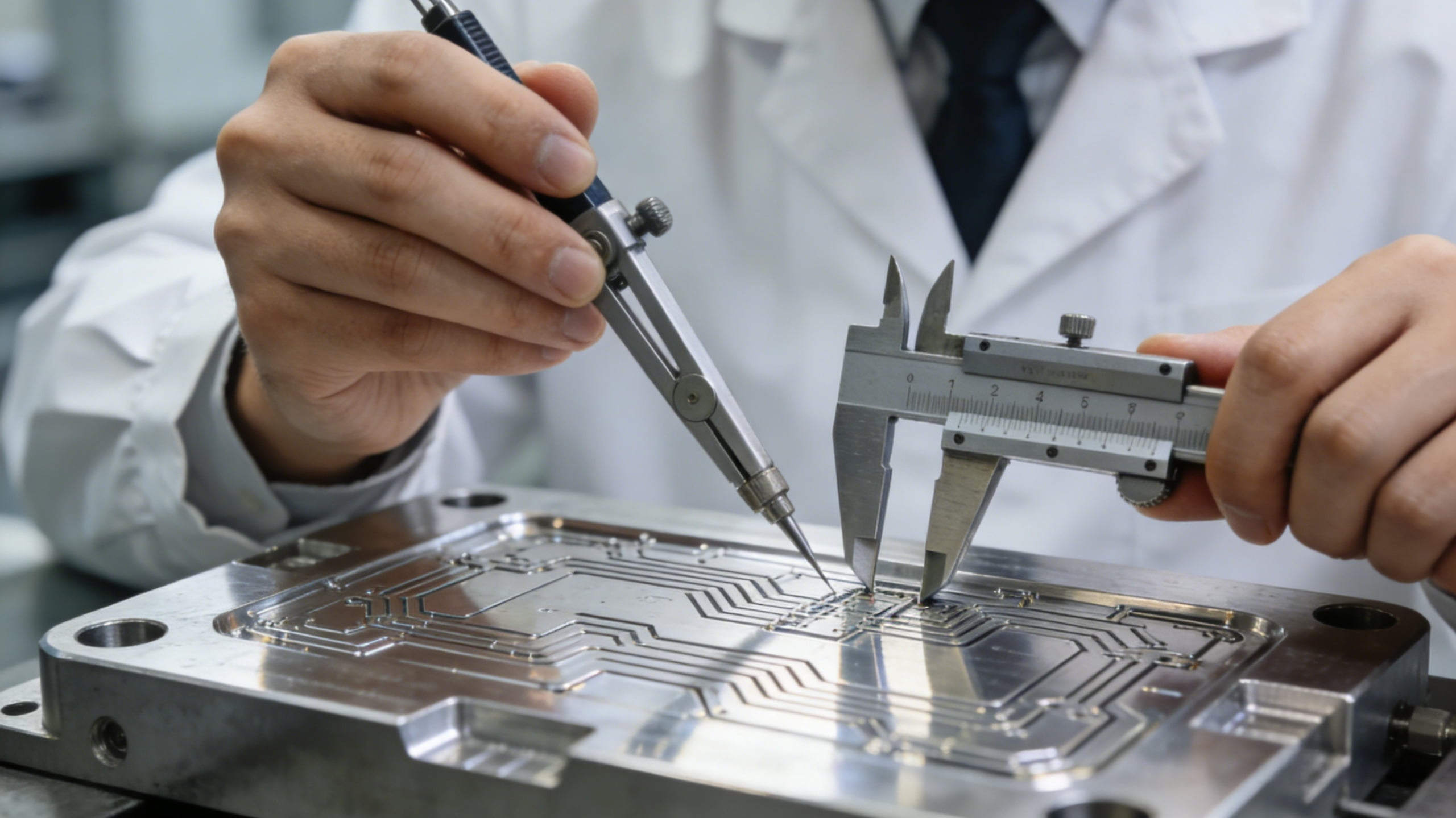
The Future of PCB Molds: Trends Shaping the Electronics Manufacturing Industry
Introduction: PCB Molds in an Evolving Electronics Landscape
The electronics manufacturing industry is evolving at a rapid pace, driven by advancements in technology, increasing demand for smaller, more powerful devices, and a growing focus on sustainability. As a critical component of PCB production, PCB molds are also undergoing significant changes to keep up with these trends. From new materials and manufacturing techniques to automation and customization, the future of PCB molds is poised to revolutionize how circuit boards are made. In this article, we explore the key trends shaping the future of PCB molds and their impact on the electronics industry.
1. Miniaturization and High-Precision Mold Manufacturing
As electronics become smaller and more complex—think wearables, microelectronics, and medical devices—PCBs are shrinking, with traces and vias becoming increasingly tiny (down to 10 microns or less). This trend is driving the demand for ultra-high-precision PCB molds that can accommodate these minute features. Manufacturers are investing in advanced machining technologies, such as micro-EDM (Electrical Discharge Machining) and 5-axis CNC machining, to produce molds with sub-micron tolerances.
Additionally, new materials, such as advanced alloys and composites, are being developed to improve the precision and durability of miniaturized molds. For example, nanocomposite materials offer superior hardness and wear resistance, making them ideal for molds used in high-volume production of micro-PCBs. This trend will continue as the demand for small, powerful electronics grows, pushing PCB mold manufacturers to innovate in precision manufacturing.
2. Automation and Smart Mold Technology
Automation is transforming every aspect of electronics manufacturing, and PCB molds are no exception. Smart molds—equipped with sensors and data collection capabilities—are becoming increasingly common, allowing manufacturers to monitor mold performance in real time. These sensors can track temperature, pressure, wear, and other key metrics, providing valuable data that helps optimize production processes, reduce downtime, and prevent defects.
For example, a smart mold can detect signs of wear or contamination and alert operators before a defect occurs, allowing for proactive maintenance. Additionally, automation is streamlining mold changeover processes, reducing the time required to switch from one PCB design to another. This is particularly beneficial for manufacturers that produce small batches of custom PCBs, as it improves efficiency and reduces costs.
3. Sustainability and Eco-Friendly Mold Manufacturing
Sustainability is a top priority for the electronics industry, with manufacturers increasingly focused on reducing waste, energy consumption, and environmental impact. PCB mold manufacturers are responding to this trend by adopting eco-friendly materials and manufacturing processes. For example, recycled metals (e.g., recycled stainless steel and aluminum) are being used to produce molds, reducing the need for virgin materials.
Additionally, mold manufacturing processes are being optimized to reduce energy consumption and waste. For example, 3D printing (additive manufacturing) is being used to produce PCB molds, which generates less waste than traditional subtractive machining. 3D printing also allows for the production of complex mold designs that are difficult or impossible to achieve with traditional methods, further improving efficiency and reducing waste.
4. Customization and Rapid Prototyping
The demand for custom PCBs is growing, driven by the rise of niche electronics applications (e.g., IoT devices, medical equipment, and automotive electronics). This trend is pushing PCB mold manufacturers to offer more customizable mold solutions, allowing manufacturers to produce PCBs tailored to their specific needs. Additionally, rapid prototyping has become essential for reducing time-to-market, and PCB mold manufacturers are leveraging technologies like 3D printing to produce prototype molds quickly and cost-effectively.
Rapid prototyping allows manufacturers to test PCB designs with a prototype mold before investing in a full-production mold, reducing the risk of defects and ensuring that the final product meets specifications. This trend will continue as manufacturers seek to accelerate product development and respond quickly to changing market demands.
5. Integration with Industry 4.0
Industry 4.0— the fourth industrial revolution— is characterized by the integration of digital technologies, IoT, and data analytics into manufacturing processes. PCB mold manufacturing is increasingly integrating with Industry 4.0 technologies, allowing for seamless communication between molds, production equipment, and digital systems. This integration enables real-time data analysis, predictive maintenance, and optimized production planning, improving efficiency and reducing costs.
For example, mold data can be integrated with a manufacturer’s ERP (Enterprise Resource Planning) system, allowing for better inventory management and production scheduling. Additionally, AI (Artificial Intelligence) is being used to analyze mold performance data, identifying patterns and predicting potential defects before they occur.
Conclusion: Embracing Trends for Future Success
The future of PCB molds is exciting, with new technologies and trends driving innovation and efficiency. From ultra-precision manufacturing and smart molds to sustainability and customization, PCB mold manufacturers are adapting to meet the changing needs of the electronics industry. By embracing these trends, manufacturers can produce higher-quality PCBs, reduce costs, and stay competitive in a rapidly evolving market.