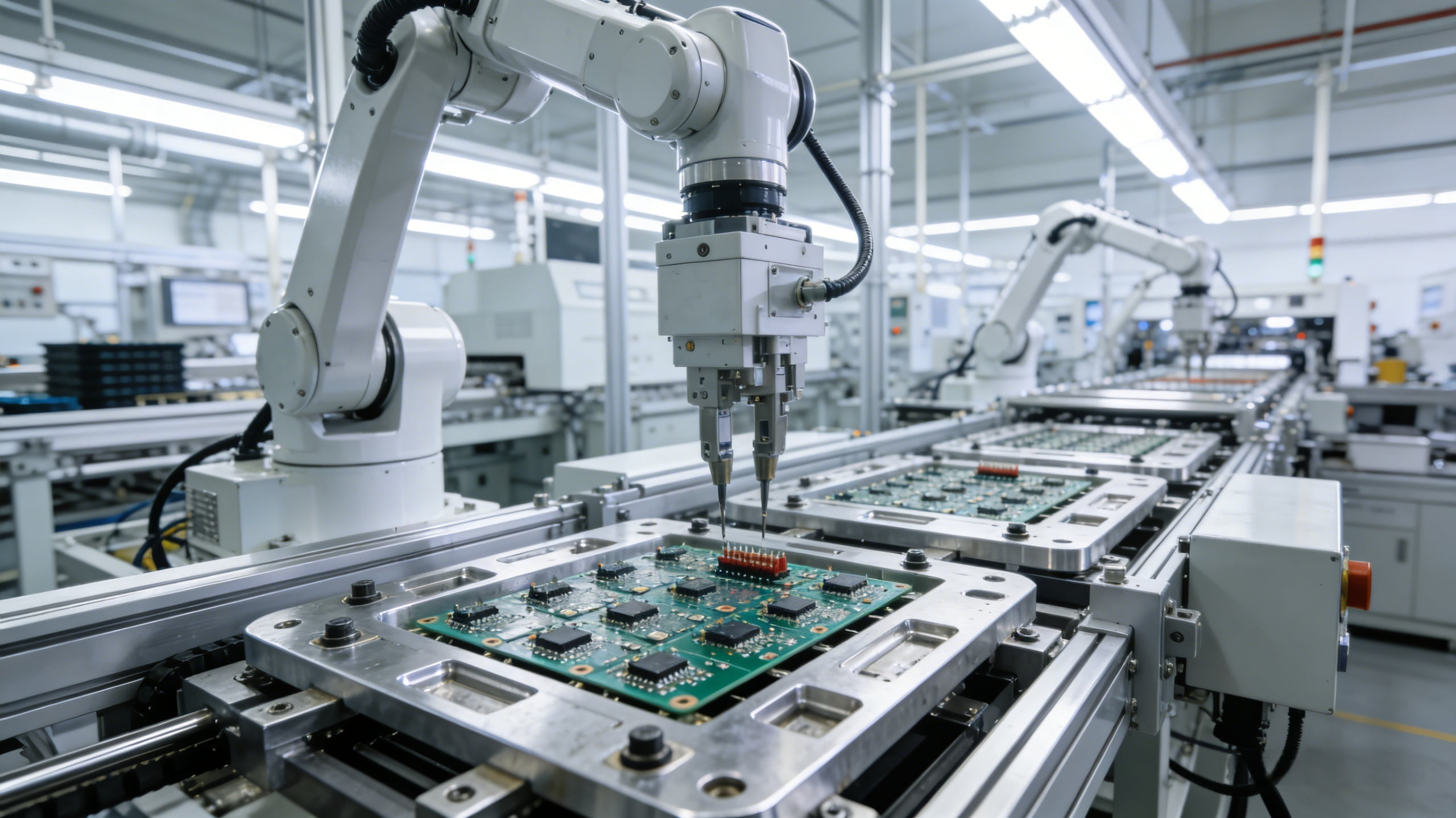
Key Materials for PCB Mold Manufacturing: Pros, Cons, and Application Guidelines
Introduction: Why Mold Material Selection Matters
The performance, durability, and cost of a PCB mold are largely determined by the materials used in its manufacturing. With the increasing complexity of modern PCBs—smaller traces, higher component density, and stricter quality requirements—choosing the right mold material has become more critical than ever. Different materials offer unique advantages and disadvantages, and selecting the optimal one depends on factors such as production volume, PCB design specifications, and budget constraints. In this article, we break down the most common PCB mold materials, their pros and cons, and when to use each.
1. Stainless Steel (304/316 Grade): The Go-To for High-Volume Production
Stainless steel is one of the most widely used materials for PCB mold manufacturing, especially for high-volume production. It is prized for its exceptional durability, corrosion resistance, and precision machining capabilities—critical for molds that need to withstand repeated use in harsh manufacturing environments (e.g., exposure to solder paste, cleaning chemicals, and high temperatures).
Pros: High wear resistance (ideal for long production runs of 100,000+ PCBs); excellent corrosion resistance (prevents rust and degradation from chemicals); good dimensional stability (maintains precision even after repeated use); compatible with automated production lines.
Cons: Higher cost compared to aluminum or plastic; heavier than other materials (may require additional support in production equipment); longer machining time (increases lead time for mold fabrication).
Applications: High-volume PCB production (e.g., consumer electronics, automotive PCBs); PCBs with tight tolerance requirements (small traces, fine vias); molds for solder stencils and solder mask application.
2. Aluminum Alloy (6061/7075 Grade): Cost-Effective for Prototypes & Short Runs
Aluminum is a popular choice for low to medium-volume PCB production, thanks to its lightweight, cost-effectiveness, and fast machining capabilities. It is particularly well-suited for prototype molds or molds used in short-run production, where speed and cost are prioritized over long-term durability.
Pros: Low cost (significantly cheaper than stainless steel); lightweight (easier to handle and integrate into production equipment); fast machining (reduces mold lead time); good thermal conductivity (helps with temperature control during molding).
Cons: Lower wear resistance (not ideal for high-volume production; may show signs of wear after 10,000–50,000 cycles); prone to scratches and dents (can affect mold precision); less corrosion resistance than stainless steel (requires proper maintenance).
Applications: Prototype PCB molds; short-run production (e.g., custom PCBs, small-batch electronics); molds for non-critical PCB components (e.g., simple substrates).
3. Engineering Plastics (POM, PEI, PEEK): Specialized for Unique Use Cases
Engineering plastics are used for specialized PCB mold applications, where flexibility, chemical resistance, or low friction is required. They are not as common as metal molds but offer unique benefits for specific use cases.
Pros: Lightweight (lighter than aluminum); excellent chemical resistance (compatible with harsh cleaning agents and solder materials); low friction (reduces wear on PCB surfaces); flexible (can be used for molds with complex shapes).
Cons: Lower durability than metal (not suitable for high-volume production); limited precision (difficult to machine to micron-level tolerances); prone to deformation at high temperatures (may not be compatible with high-heat molding processes).
Applications: Specialized PCB molds (e.g., flexible PCB molds); molds for delicate PCB components (to avoid scratching); low-volume, custom mold applications.
4. Tungsten Carbide: Premium for Ultra-High Precision & Longevity
Tungsten carbide is a premium material used for high-precision, high-wear PCB molds. It is an alloy of tungsten and carbon, known for its extreme hardness and durability—second only to diamond.
Pros: Exceptional hardness and wear resistance (ideal for ultra-high-volume production or molds for abrasive materials); superior precision (can be machined to sub-micron tolerances); good corrosion resistance; maintains dimensional stability even under high pressure and temperature.
Cons: Very high cost (significantly more expensive than stainless steel, making it cost-prohibitive for small-batch production); difficult to machine (requires specialized equipment and expertise, increasing lead time); brittle (prone to chipping or cracking if mishandled during installation or maintenance).
Applications: Ultra-high-precision PCB molds (e.g., microelectronics, medical device PCBs, aerospace electronics); molds for abrasive materials (e.g., ceramic substrates); long-run production of critical, high-value PCBs where defect rates must be near zero.
Final Guidance: Choosing the Right Material for Your Needs
Choosing the right PCB mold material is a balance between performance, cost, and application requirements. For most manufacturers, stainless steel and aluminum are the go-to options, covering the majority of production needs. For specialized applications, engineering plastics or tungsten carbide may be necessary. By understanding the pros and cons of each material, you can select a mold that meets your production goals and ensures consistent PCB quality.
您好,这是一条评论。若需要审核、编辑或删除评论,请访问仪表盘的评论界面。评论者头像来自 Gravatar。