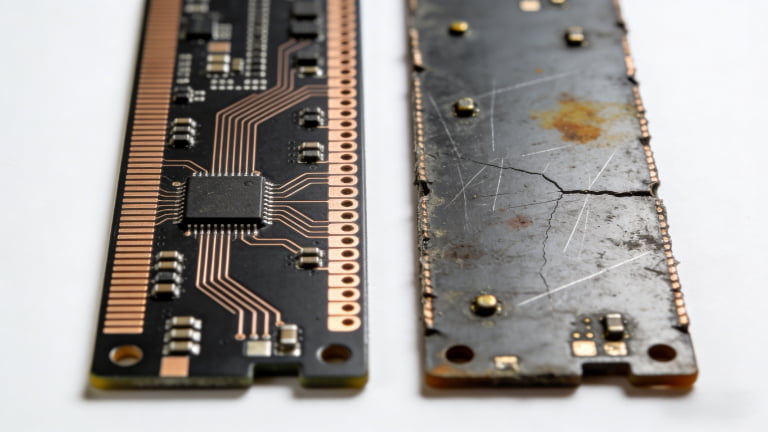
How PCB Molds Impact the Quality and Efficiency of Circuit Board Production
Introduction: The Unsung Hero of PCB Production
In the fast-paced world of electronics manufacturing, the quality of printed circuit boards (PCBs) directly determines the performance and reliability of end products—from smartphones and laptops to industrial control systems and automotive electronics.
While many focus on PCB design and assembly processes, one often overlooked component plays a pivotal role: the PCB mold. A high-quality PCB mold is not just a tool; it is the foundation of consistent, efficient, and cost-effective circuit board production.
What Is a PCB Mold? Key Definitions
First, let’s clarify what a PCB mold is. Essentially, a PCB mold is a precision tool used to shape, form, or fabricate key components of printed circuit boards, including solder masks, stencils, and even the substrate itself in some specialized applications.
Unlike standard industrial molds, PCB molds require extreme precision—often down to microns—to accommodate the tiny traces, vias, and pads that define modern PCBs, which are becoming increasingly compact and complex.
How PCB Molds Influence Production Quality
The impact of PCB molds on production quality cannot be overstated. A well-designed and manufactured mold ensures uniform thickness of solder masks, which protects the PCB from environmental damage, corrosion, and short circuits. Irregularities in the mold can lead to uneven solder mask application, resulting in exposed traces, poor adhesion, or even defects that render the PCB unusable.
Similarly, for stencil molds used in solder paste application, precision in aperture size and placement directly affects the amount of solder applied to each pad—too much can cause short circuits, too little can lead to weak solder joints and component failure.
The Role of PCB Molds in Production Efficiency
Efficiency is another critical area where PCB molds make a difference. High-performance molds are durable, resistant to wear and tear, and compatible with automated production lines.
This reduces downtime caused by mold replacement or maintenance, allowing manufacturers to meet tight production deadlines and scale output without sacrificing quality. Additionally, molds optimized for specific PCB designs can streamline the production process, reducing waste (such as excess solder mask or substrate material) and lowering overall production costs.
Key Factors for Choosing/Designing a PCB Mold
What factors should manufacturers consider when choosing or designing a PCB mold? Material selection is key—common mold materials include stainless steel, aluminum, and specialized alloys, each offering different levels of precision, durability, and cost-effectiveness.
For example, stainless steel molds are ideal for high-volume production due to their wear resistance, while aluminum molds are lighter and more cost-effective for low to medium volumes. The mold’s design must also align with the PCB’s specifications, including size, thickness, trace width, and via density.
Investing in Precision PCB Molds
In summary, PCB molds are the unsung heroes of electronics manufacturing. They bridge the gap between PCB design and mass production, ensuring that every circuit board meets the strict quality standards required in today’s electronics industry.
Investing in high-quality, precision PCB molds is not just a cost—it is a strategic decision that improves product reliability, boosts production efficiency, and ultimately enhances a manufacturer’s competitiveness in the global market.