
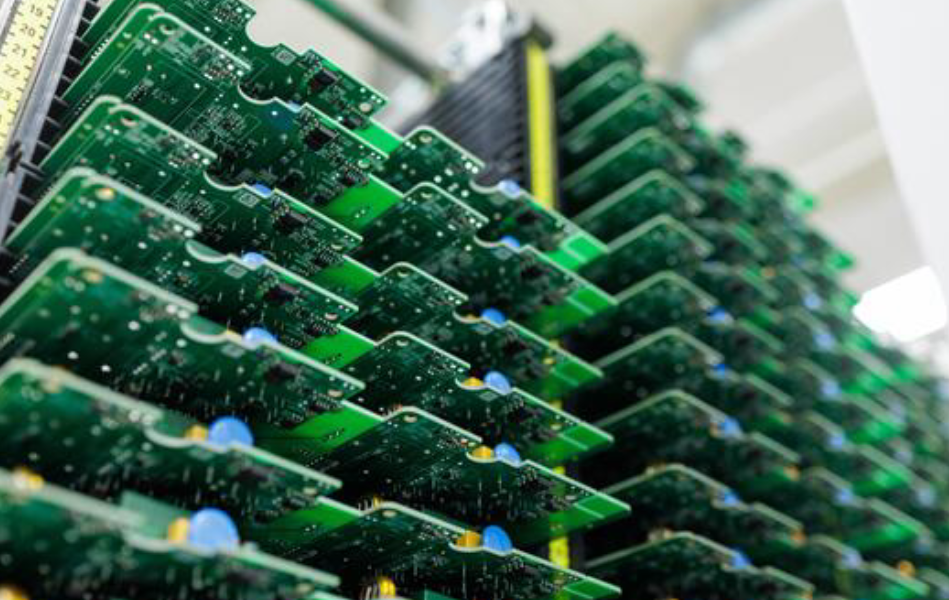
Printed Circuit Board (PCB) Introduction
A Printed Circuit Board (PCB) is a fundamental component that serves as the backbone of almost all modern electronic devices. It provides a stable and organized platform for mounting, interconnecting, and supporting electronic components such as integrated circuits (ICs), resistors, capacitors, and connectors.
Core Functions
- Component Mounting Base
PCBs feature pre-designed pads and holes to securely fix electronic components, ensuring stable physical placement and preventing displacement during device operation.
- Electrical Interconnection
The core of a PCB lies in its conductive copper traces, which replace bulky and chaotic traditional wire connections. These traces precisely transmit electrical signals between components, ensuring the normal operation of the electronic system.
Comments (0)